Comprehending Just How Production Companies Operate: An Overview to Their Process and Offerings
Production companies play an essential duty in bringing innovative visions to life. Their procedures encompass numerous stages, from the preliminary concept advancement to the last distribution of a task. Each phase needs careful planning and control to ensure success. Recognizing these processes can clarify the complexities behind the scenes. What aspects influence decision-making at each stage, and just how do they ultimately form the final item?
The Concept Advancement Stage
The principle growth phase functions as the foundation of any type of effective manufacturing. Throughout this phase, concepts are generated, refined, and crystallized into a meaningful vision. Production groups involve in conceptualizing sessions, discovering numerous motifs and stories that reverberate with target audiences. This stage requires collaboration among writers, producers, and supervisors, who collectively evaluate the feasibility and market potential of these concepts.
Key elements include developing the target, style, and tone market, which direct the innovative process. Research plays a vital role, as teams analyze fads and target market preferences to inform their decisions. In addition, first budgeting and source evaluations start, guaranteeing that the idea lines up with readily available capacities - production companies in charlotte nc. By the end of this phase, a solid principle arises, prepared for the subsequent phases of advancement. This groundwork is essential for navigating the complexities of manufacturing, eventually setting the phase for a job's success
Pre-Production Preparation and Sychronisation
After solidifying the principle, production teams relocate into pre-production preparation and coordination, a critical stage that includes arranging the logistics needed for bringing the vision to life. During this phase, various components integrated, including manuscript finalization, spreading, location searching, and spending plan administration. Groups establish timelines to assure that all elements of the task align with the desired shooting routine.
Additionally, manufacturing planners protected authorizations and insurance policy, while liaising with staff members and vendors to validate availability and sources (production companies in charlotte nc). This phase likewise emphasizes communication, as cooperation among directors, manufacturers, and department heads is crucial for smooth operation
In addition, comprehensive preparation guarantees that prospective obstacles are identified and attended to proactively, reducing disturbances during recording. Inevitably, effective pre-production planning prepares for an effective capturing experience, ensuring that all components are in area to fulfill the creative vision.
Production: The Filming Process
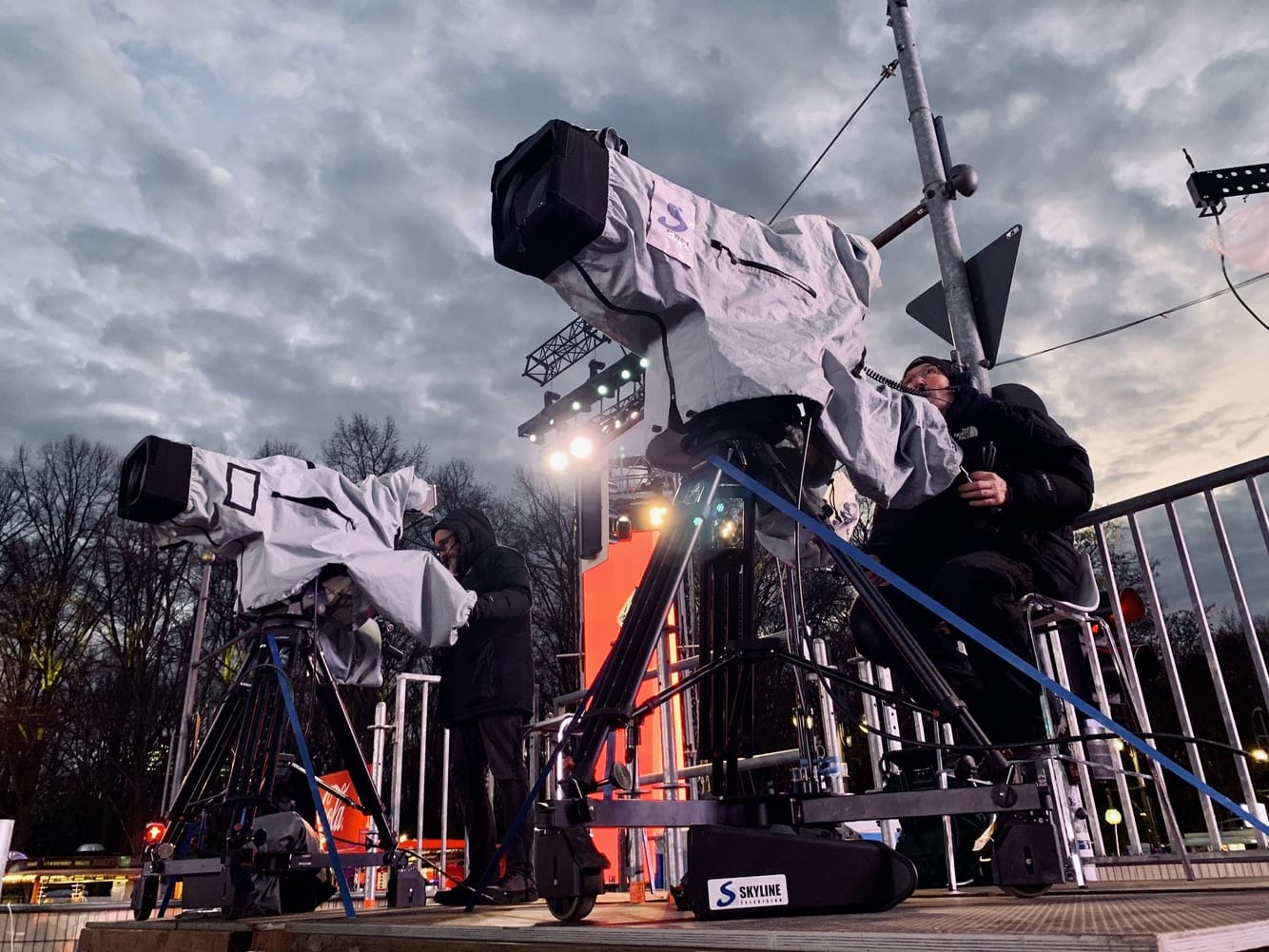
Shooting transforms the diligently intended vision into truth, catching efficiencies, visuals, and noise in a natural fashion. This stage entails the collaboration of different departments, consisting of noise, manufacturing, and cinematography style, each adding to the overall visual and narrative. The supervisor guides the stars, ensuring their efficiencies line up with the desired psychological tone, while the cinematographer captures the activity with very carefully selected shots and lighting techniques.

Post-Production: Editing And Enhancing and Finalization
As soon as the recording process is total, the emphasis moves to post-production, where the raw footage is changed right into a polished end product. This stage includes several important actions, beginning with editing and enhancing, where editors sort via hours of footage to pick the best takes and assemble them into a coherent narrative. They function very closely with supervisors to guarantee the vision is realized.
Sound layout is one more essential element, as audio tracks are fine-tuned, music is added, and sound impacts enhance the seeing experience. Shade adjustment follows, guaranteeing visual consistency and boosting the state of mind of the film. Visual impacts, if required, are integrated perfectly to produce immersive scenes.
The movie undertakes a top quality control process, checking for any type of technical problems. This thorough attention to information in post-production eventually shapes the end product, readying it for the next stages of launch and audience interaction.
Circulation and Advertising Methods
A reliable circulation and marketing approach is necessary for a movie's success, as it determines how widely the film reaches its intended audience. Production companies usually team up with suppliers to establish a release plan, selecting systems such as theaters, streaming services, or digital downloads. A well-timed theatrical release can take full advantage of box workplace profits, especially when straightened with movie festivals or seasonal patterns.
Marketing initiatives often include trailers, social media campaigns, and marketing occasions to produce buzz. Target target market analysis plays an essential role in crafting tailored messages that resonate with possible viewers.
Furthermore, collaborations with sponsorships or influencers can magnify visibility. The effectiveness of these methods is measured through metrics like ticket sales and online involvement, notifying future projects. Ultimately, a natural circulation and advertising strategy not only improves a movie's presence but also contributes significantly to its general profitability and durability on the market.
Frequently Asked Questions
How Do Production Companies Secure Financing for Projects?
Production companies secure funding via different means, including pre-sales, grants, personal capitalists, crowdfunding, and partnerships with studios or distributors - production companies in charlotte nc. These methods permit them to fund projects and manage monetary threats effectively throughout manufacturing
What Functions Do Supervisors and producers Play in a Manufacturing?
Producers supervise task advancement, budgeting, and logistics, ensuring sources are offered. Directors concentrate on the imaginative vision, guiding stars and staff to attain the preferred artistic result, shaping the story and overall production quality.
Exactly How Are Casting Decisions Produced a Project?
Casting decisions are typically made with tryouts, where supervisors and manufacturers examine actors based on their efficiency, suitability for roles, and chemistry with other actors participants, usually influenced by agency recommendations or previous cooperations.
What Is the Ordinary Timeline for Completing a Movie?
The typical timeline for completing a movie usually varies from one to three years. This consists of pre-production, shooting, and check out here post-production phases, with each stage varying significantly based upon project scale and intricacy.
How Do Production Companies Pick Areas for Filming?
Production companies choose shooting areas based on factors like script needs, budget restrictions, accessibility, and aesthetic appeal. They frequently perform area scouts to evaluate prospective websites and consider logistical aspects such as try this web-site authorizations and community assistance. ## Comprehending Just How Production Companies Run: A Guide to Their Refine and Offerings.
Production companies play a necessary duty in bringing imaginative visions to life. Their operations encompass numerous stages, from the first concept growth to the final circulation of a task. Each phase requires cautious preparation and sychronisation to assure success. Recognizing these procedures can clarify the complexities behind the scenes. What factors affect decision-making at each phase, and how do they inevitably form the end product?
The Concept Growth Phase
The principle development stage acts as the foundation of any kind of effective manufacturing. During this phase, concepts are created, refined, and crystallized right into a coherent vision. Production groups participate in conceptualizing sessions, exploring numerous motifs and stories that resonate with target market. This phase requires cooperation amongst writers, supervisors, and manufacturers, who jointly evaluate the feasibility and market capacity of these ideas.
Key components include developing the target, style, and tone group, which direct the imaginative procedure. Research plays an important duty, as groups examine patterns and audience choices to inform their choices. In addition, preliminary budgeting and resource assessments start, making certain that the concept aligns with readily available abilities. By the end of this phase, a strong principle arises, prepared for the succeeding phases of advancement. This foundation is vital for maneuvering the intricacies of manufacturing, eventually establishing the phase for a job's success.
Pre-Production Preparation and Coordination
After solidifying the principle, manufacturing teams move into pre-production preparation and control, an essential stage that involves organizing the logistics essential for bringing the vision to life. During this stage, various aspects collaborated, consisting of script completion, casting, place looking, and spending plan monitoring. Teams develop timelines to guarantee that all facets of the project straighten with the desired shooting timetable.
Furthermore, manufacturing coordinators safe and secure authorizations and insurance policy, while liaising with crew members and suppliers to verify schedule and resources. This stage likewise stresses communication, as partnership among supervisors, producers, and department heads is vital for smooth operation.
In-depth planning assurances that prospective difficulties are identified and resolved proactively, decreasing disturbances throughout filming. Inevitably, effective pre-production planning prepares for an effective shooting experience, making certain that all parts are in area to fulfill the innovative vision.
Production: The Filming Process
Shooting transforms the thoroughly prepared vision into fact, capturing efficiencies, visuals, and sound in a natural way. This stage entails the partnership of various departments, consisting of cinematography, manufacturing, and noise design, each adding to the overall aesthetic and narrative. The supervisor overviews the stars, ensuring their efficiencies line up with the designated emotional tone, while the cinematographer captures the action via thoroughly picked shots and lighting methods.
During shooting, schedules are firmly complied with, as time and sources are often restricted. Each scene is fired multiple times to attain the desired top quality, with interest offered to framing, continuity, and sound quality. The manufacturing group works carefully behind the scenes, handling devices, collaborating areas, and dealing with any type of unforeseen obstacles. This dynamic atmosphere cultivates creativity and adaptability, ultimately creating the raw video that will certainly later on be fine-tuned visit our website in post-production, setting the stage for the final item.
Post-Production: Editing And Enhancing and Completion
Once the shooting process is full, the emphasis changes to post-production, where the raw video footage is transformed right into a refined end product. This phase entails several important steps, starting with modifying, where editors sift with hours of video footage to pick the most effective takes and assemble them right into a coherent narrative. They function carefully with supervisors to guarantee the vision is realized.
Sound layout is one more critical facet, as audio tracks are improved, music is added, and sound results improve the checking out experience. Shade improvement follows, guaranteeing aesthetic consistency and enhancing the state of mind of the movie. Aesthetic results, if called for, are integrated flawlessly to create immersive scenes.
Lastly, the film goes through a high quality control procedure, examining for any type of technical concerns. This thorough focus to information in post-production eventually shapes the end product, readying it for the following stages of launch and target market interaction.
Circulation and Advertising And Marketing Methods
An effective circulation and marketing technique is important for a movie's success, as it identifies how widely the film reaches its designated target market. Production companies commonly collaborate with suppliers to develop a launch strategy, picking platforms such as theaters, streaming solutions, or digital downloads. A well-timed theatrical launch can take full advantage of ticket office earnings, particularly when aligned with film festivals or seasonal patterns.
Advertising and marketing efforts frequently consist of trailers, social media campaigns, and advertising occasions to generate buzz. Target target market evaluation plays a crucial role in crafting tailored messages that resonate with prospective audiences.
In addition, partnerships with influencers or sponsorships can magnify visibility. The effectiveness of these approaches is determined with metrics like ticket sales and online interaction, informing future campaigns. Inevitably, a natural distribution and advertising and marketing approach not just enhances a film's exposure but additionally contributes significantly to its total productivity and long life on the market.
Frequently Asked Questions
Just How Do Production Companies Secure Financing for Projects?
Production companies protected funding with various ways, consisting of pre-sales, gives, personal capitalists, crowdfunding, and partnerships with suppliers or studios. These strategies enable them to finance projects and handle monetary risks successfully throughout production.
What Roles Do Producers and Supervisors Play in a Manufacturing?
Manufacturers manage task development, budgeting, and logistics, making certain resources are readily available. Supervisors concentrate on the creative vision, assisting actors and team to attain the wanted creative outcome, shaping the narrative and general manufacturing high quality.
Just How Are Casting Choices Produced a Project?
Casting decisions are typically made through tryouts, where supervisors and producers evaluate actors based upon their performance, viability for functions, and chemistry with other cast members, usually influenced by firm suggestions or previous collaborations.
What Is the Average Timeline for Finishing a Film?
The ordinary timeline for finishing a movie normally varies from one to 3 years. This includes pre-production, shooting, and post-production phases, with each stage varying substantially based upon job scale and complexity.
How Do Production Companies Select Areas for Shooting?

Production companies select recording places based on elements like script requirements, budget constraints, availability, and visual charm. They typically perform location precursors to evaluate potential sites and consider logistical facets such as licenses and area assistance.
After solidifying the principle, manufacturing groups relocate into pre-production preparation and control, an important stage that includes arranging the logistics necessary for bringing the vision to life. Production companies select shooting places based on aspects like script requirements, spending plan restraints, ease of access, and aesthetic allure. The concept development stage serves as the foundation of any successful production. After strengthening the concept, production teams relocate right into pre-production preparation and control, a vital stage that entails organizing the logistics needed for bringing the vision to life. Production companies pick filming locations based on variables like script needs, budget restraints, availability, and visual allure.
Comments on “Ways production companies in charlotte nc deal with budget constraints effectively”